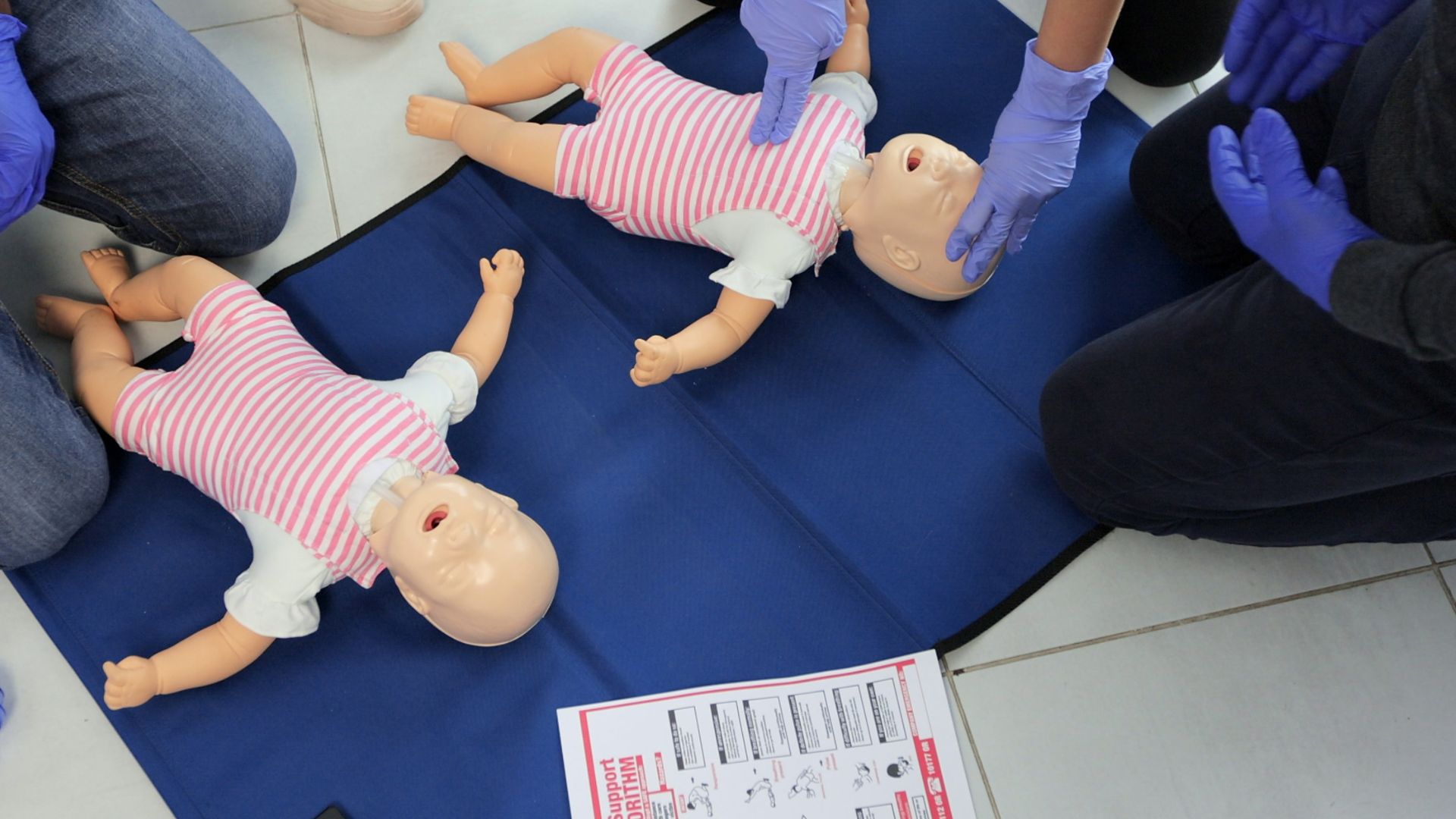
Parents place an incredible amount of trust in childcare providers. Whether caring for infants, toddlers, preschoolers, or school-age children, childcare professionals are responsible for creating a safe environment where children can learn, play, and grow. Along with that responsibility comes the need to be prepared for unexpected situations, including medical emergencies that may occur during the day.
Most childcare providers spend hours supervising children in classrooms, playgrounds, activity areas, meal settings, and nap rooms. While the majority of days pass without serious incidents, emergencies can happen when least expected. Children are naturally curious, energetic, and still developing their understanding of safety, which can sometimes increase the likelihood of accidents or medical situations requiring immediate attention.
Because childcare professionals are often the first adults available to respond during an emergency, preparation is essential. For many providers, enrolling in a CPR Certification course is one of the most effective ways to gain practical emergency response skills and strengthen their ability to protect the children in their care. CPR training helps childcare professionals develop confidence, improve preparedness, and better understand how to respond when every second counts.
Childcare Providers Have Unique Safety Responsibilities
Unlike many professions, childcare providers are responsible for individuals who may not be able to communicate clearly, recognize danger, or respond appropriately during emergencies. Young children rely on adults to identify potential risks and take action when problems arise.
A childcare provider’s responsibilities often extend beyond supervision and education. Providers may need to respond to injuries, sudden illnesses, allergic reactions, breathing difficulties, and other situations that require quick decision-making.
Because children can be unpredictable, maintaining a safe environment requires constant awareness and preparation. Emergency response training helps childcare professionals develop the knowledge necessary to manage these situations more effectively.
Medical Emergencies Can Happen Without Warning
Many people assume serious emergencies are rare in childcare environments, but unexpected medical situations can occur in any setting where children gather.
Examples of emergencies providers may encounter include:
- Choking incidents
- Allergic reactions
- Asthma-related emergencies
- Seizures
- Falls and injuries
- Breathing difficulties
- Heat-related illnesses
- Sudden medical conditions
While not every situation requires advanced medical intervention, understanding how to recognize emergencies and respond appropriately can make a significant difference while waiting for professional assistance.
Young Children Require Immediate Attention During Emergencies
Children often react differently to medical situations than adults. Symptoms can develop quickly, and younger children may have difficulty explaining what they are experiencing.
For example, a child experiencing breathing difficulties may not be able to communicate clearly that something is wrong. Similarly, an infant or toddler may be unable to explain symptoms associated with illness or injury.
Childcare providers must often rely on observation, awareness, and training to identify potential problems early. Recognizing warning signs quickly can help providers take action before a situation becomes more serious.
This ability to respond promptly is one reason emergency preparedness remains such an important component of quality childcare.
Choking Emergencies Are a Serious Concern
One of the most common reasons childcare providers pursue CPR training is the risk of choking incidents among young children.
Children frequently explore their environment through touch and oral interaction. Food, toys, and small objects can all become potential choking hazards if appropriate precautions are not taken.
Childcare settings regularly involve activities such as:
- Snack time
- Lunch periods
- Arts and crafts
- Playtime
- Outdoor activities
Each of these situations presents opportunities for providers to monitor children closely and intervene if a problem develops.
Understanding how to recognize a choking emergency and respond appropriately can help childcare professionals feel more prepared during these stressful situations.
Houston’s Growing Childcare Community
Houston is one of the largest cities in the United States and home to thousands of childcare facilities, early education centers, preschools, and in-home childcare providers.
As families continue to grow throughout the region, the demand for quality childcare services remains strong. With so many children participating in childcare programs every day, maintaining high safety standards becomes increasingly important.
Childcare professionals play a vital role in supporting working families, early childhood development, and community well-being. Emergency preparedness helps ensure that providers are ready to respond when unexpected situations arise.
Allergic Reactions Require Quick Recognition
Food allergies and environmental allergies affect many children throughout Houston. Some reactions may be relatively mild, while others can escalate rapidly.
Childcare providers often maintain records regarding known allergies and work closely with parents to understand individual care needs. Even with precautions in place, emergencies can still occur.
Common allergy triggers may include:
- Peanuts
- Tree nuts
- Dairy products
- Eggs
- Insect stings
- Certain medications
Recognizing signs of a severe allergic reaction and following established emergency procedures can help providers respond more effectively during these situations.
Asthma and Breathing Emergencies
Asthma affects many children and remains one of the most common chronic conditions encountered in childcare environments.
Physical activity, environmental conditions, seasonal allergies, and respiratory illnesses may all contribute to breathing difficulties.
Childcare providers who understand emergency response procedures are often better prepared to recognize symptoms and contact appropriate assistance when necessary.
Breathing emergencies can progress quickly, making awareness and preparedness particularly important.
Playground and Activity-Related Injuries
Physical activity is an essential part of childhood development. Running, climbing, jumping, and exploring help children develop coordination, confidence, and social skills.
At the same time, active play can sometimes lead to injuries.
Common childcare injuries include:
- Scrapes and cuts
- Bruises
- Sprains
- Falls
- Head injuries
- Playground accidents
While many injuries are minor, some situations require immediate attention and professional medical evaluation.
Prepared childcare providers are often better equipped to assess situations and determine appropriate next steps.
Why CPR Training Builds Confidence
One of the greatest benefits of CPR training is confidence.
Many people worry that they will not know what to do if an emergency occurs. This uncertainty can create hesitation during critical moments.
Training helps childcare providers become familiar with emergency response procedures and practice skills in a structured environment. Through repetition and instruction, participants often gain confidence in their ability to remain calm and take appropriate action.
This confidence can help reduce stress and improve decision-making during emergencies.
Parents Value Emergency Preparedness
Families want to know that their children are being cared for by qualified and prepared professionals.
When childcare providers invest in emergency preparedness training, it demonstrates a commitment to safety and professional development. Parents often feel reassured knowing that staff members have taken steps to strengthen their emergency response knowledge.
Emergency preparedness also contributes to a positive reputation for childcare programs and reinforces trust between providers and families.
A strong safety culture benefits everyone involved.
Creating Safer Childcare Environments
Emergency preparedness involves much more than responding to incidents after they occur. It also includes prevention, planning, and ongoing education.
Childcare facilities can improve safety by:
- Conducting regular safety inspections
- Maintaining emergency contact information
- Reviewing emergency procedures
- Keeping first aid supplies accessible
- Providing ongoing staff training
- Communicating clearly with parents
These proactive efforts help create environments where children can learn and grow safely.
The Long-Term Benefits of CPR Education
CPR training offers benefits that extend beyond the workplace. Childcare providers often use the knowledge gained through training in their personal lives as well.
Whether at home, in the community, or during recreational activities, emergency response skills can help individuals feel more prepared when unexpected situations occur.
The value of CPR education lies not only in meeting professional requirements but also in developing practical knowledge that can support safety in many different environments.
Prepared individuals contribute to stronger families, safer workplaces, and more resilient communities.
Why CPR Training Is Essential for Houston Childcare Providers
Every day, Houston childcare professionals care for children who depend on them for safety, guidance, and support. While no one can predict when an emergency may occur, preparation helps providers respond more effectively when situations arise. From choking incidents and allergic reactions to playground injuries and breathing emergencies, childcare settings present unique challenges that require awareness and readiness. Enrolling in a CPR Certification class helps childcare providers strengthen their emergency preparedness, build confidence, and develop valuable skills that support the health and well-being of the children entrusted to their care.
Frequently Asked Questions About CPR Certification for Childcare Providers in Houston
Why is CPR training important for childcare providers?
Childcare providers supervise young children who may be unable to communicate symptoms clearly or respond appropriately during emergencies. CPR training helps providers prepare for unexpected situations.
What types of emergencies can occur in childcare settings?
Common emergencies include choking incidents, allergic reactions, asthma-related issues, falls, playground injuries, seizures, and breathing difficulties.
Do childcare providers need emergency preparedness training?
Many childcare facilities encourage or require emergency preparedness training because providers are responsible for children’s safety throughout the day.
How does CPR training help childcare professionals?
Training can improve confidence, increase emergency awareness, and provide practical knowledge that supports effective response during medical situations.
Why are choking emergencies a concern for young children?
Young children often place objects in their mouths and may not fully understand potential hazards, increasing the risk of choking incidents.
Can CPR training benefit providers outside of work?
Yes. Emergency response skills can be valuable at home, in the community, during family activities, and in many everyday situations.